

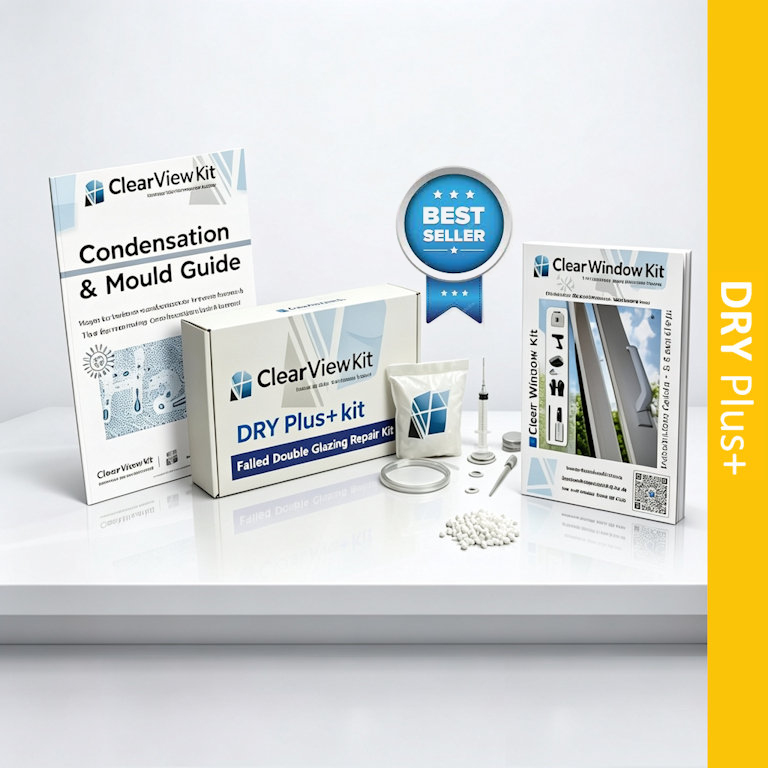
4 x DRY Plus+ kit
- Easy to follow guide
- Free Tracked 48 Delivery
- 50% extra Drying Agent
- Clears up to 4 Windows
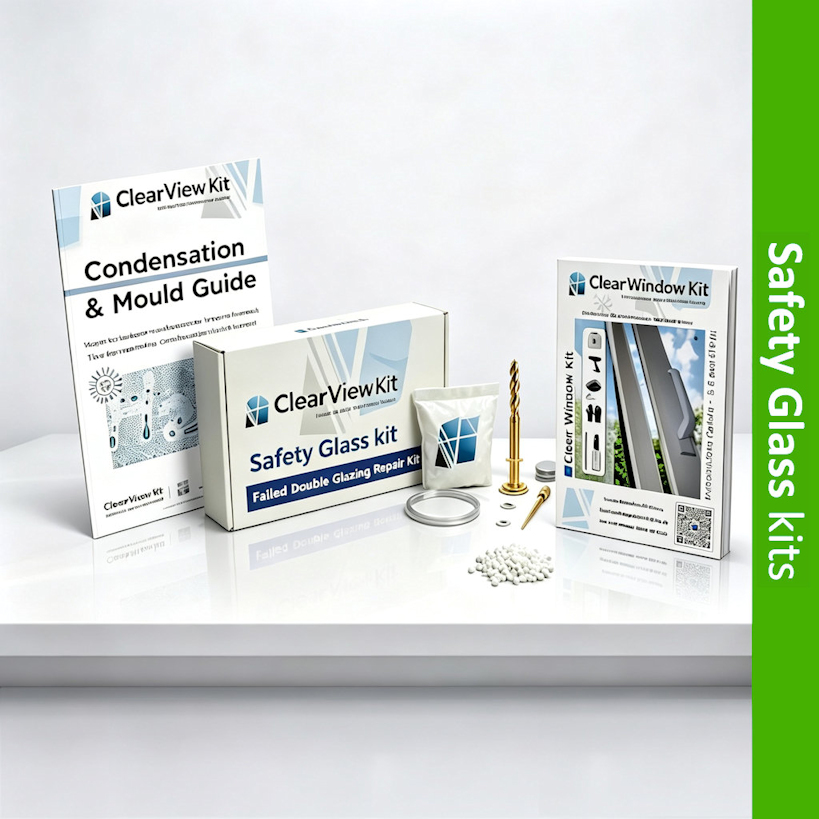
Have you got safety glass please do not drill safety glass it will shatter.
How to tell if your windows are Safety glass?.
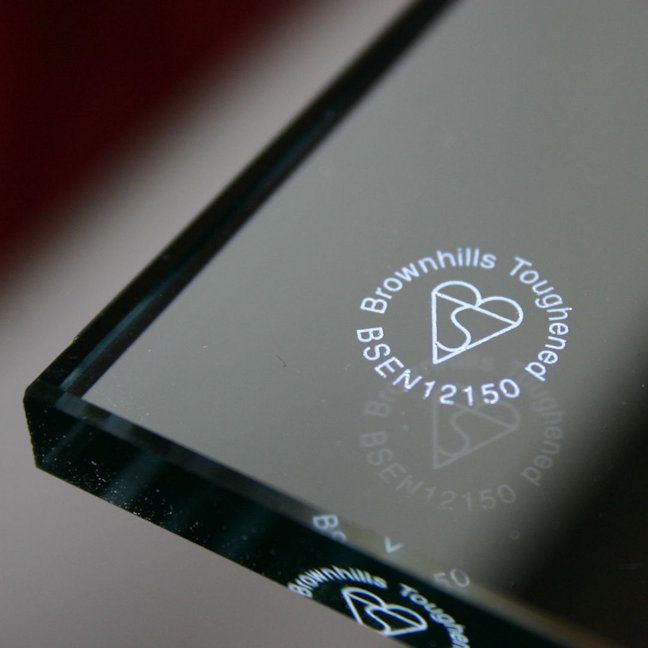
The most reliable way to check is to look for a permanent mark etched or sandblasted onto the glass. Check all four corners, usually near the frame or under the trim. In the UK, safety glass will be marked with standards such as BS EN 12150 for toughened glass or BS EN 14449 for laminated glass. You may also see a CE mark, BSI Kitemark, or words like Safety, Toughened, or Laminated. If the marking is faint, use a torch held at an angle to make it easier to see. You can also examine the edges of the glass if they are exposed. Toughened safety glass has smooth, rounded, and polished edges with no sharp cuts. Laminated safety glass will show a thin, clear plastic layer sandwiched between two sheets of glass when you look at the edge. Ordinary standard glass typically has sharp, rough, or flat-cut edges. Another simple method is the polarized light test. Look through a pair of polarized sunglasses or view your phone screen through the glass while rotating it. Toughened safety glass will reveal faint dark lines, stripes, or wavy patterns caused by internal stress, while ordinary glass will remain clear and even in appearance..
If your window has a BS kite mark it will be Safety glass.
A tap test can also help tell the difference. Lightly tap the glass with a soft hard object like a pen handle — avoid using metal. Safety glass produces a clear, high-pitched ping or ringing sound. Ordinary glass makes a dull, flat thud noise instead. When looking along the surface of the glass at an angle, toughened safety glass often has very slight, gentle waviness or ripples, which happens during the manufacturing heating process. Standard glass usually appears perfectly flat and smooth. You can also judge based on where the window is located, following UK building regulations. Safety glass is legally required in specific areas: any window where the bottom edge is less than 800mm from the floor, glass within 300mm of doors or side panels, glass near stairways, and in bathrooms or other low-level areas. If your window is in one of these positions, it should be fitted with safety glass. Please note that breaking or drilling the glass to test it is not recommended, as it is destructive, dangerous, and completely unnecessary. Would you like me to explain the key differences between toughened and laminated safety glass.

We take our customer feedback seriously this helps us to develop our products so our customers can get better results.
For anyone considering this product I would say "go for it". I have a 2m x 1.5m glazed unit with Georgian bar that was condensed up and the problem I was going to have was finding a new replacement unit with bar to match the windows next to it. With nothing to lose I bought this and after 3 weeks the window is clear. Perfect. It does work. Thank you :-)
smartmart31
Website customer

So happy with our kit we did wait a few months to use it we though we had a better chance in summer as we had a better chance of the window drying 6 months on afer we used the kit window is still clear what a great kit for the price thanks.
Dave Glessing. US
Amazon US Customer

As Described Very Fast Delivery. Very GOOD PKG. Arrived safely sealed in a strong box. All instructions included. All accessories included. Yet too make use of items so cannot comment on its effectiveness in use. Hopefully this method will help with failing Sealed Double Glazed window panes. Thank you for your Labour saving product and Great service.
Read more
Mrs Christina.gk
eBay customer

My window seal had blown and had condensation inside the window I have seen these kits online before bought one it has worked quiet well easy to do and im not that great at DIY its been clear few a month now hopefully will stay clear not a bad bit of kit for the price
Read more
Customer in Sussex
ebay customer
Good price very quick delivery. unfortunately i didn`t read the ad fully & when i received item i read instructions fully only to find my windows were 'Toughened' so unfortunately we couldnt use on my windows. Due to that i had to return for refund. But had no problem at all with seller who was very helpful in answering my query about using on my windows & refunded. All my own fault for not reading all the description. Very good seller. Thanks
Read more
Alex. Scotland
Amazon Customer
Many thanks Item arrived quickly good communication with Clearviewkit also very well packed. I did see the you tube video and thought it was worth a try. Not tried it yet but hopefully will work well.
Read more
L. Davis ,Wellingbourgh
Via Google

We received our kit we bought the 3 x window kit easy to follow instructions the moisture cleared up in a few days I would recommend this kit as a cheaper alternative to paying to have them replaced.
Susan S Palaines
Sold Via Our Website

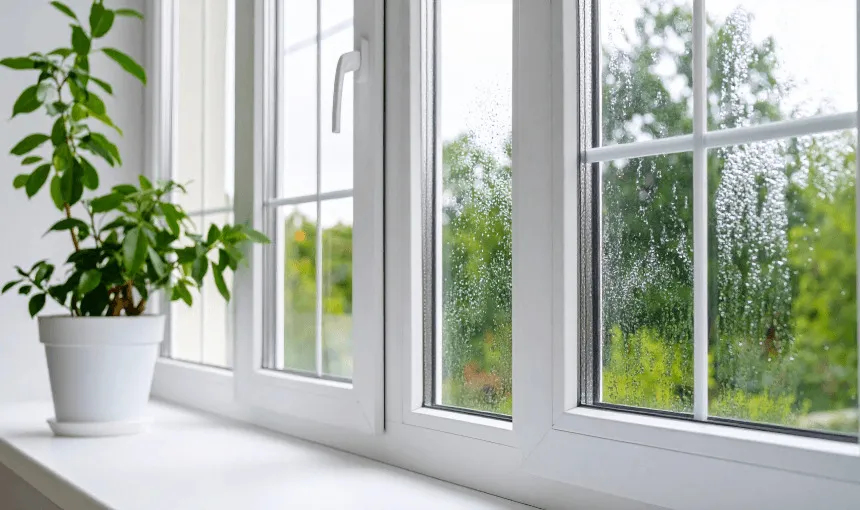
Watch our you tube tutorial to see what to do and how the process works using one of our kits to clear the trapped moisture in your double glazing.
You tube tutorialAs well as window kits we also supply Resin repair kits for car windowscreens, Film Insulations kits and Insect mesh to keep those flies out. add a low cost kit onto your order at checkout.
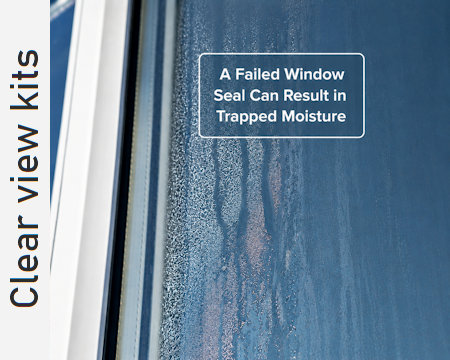
Window & Door kits
Clearview window kits to clear trapped condensation in your failed double glazing window.
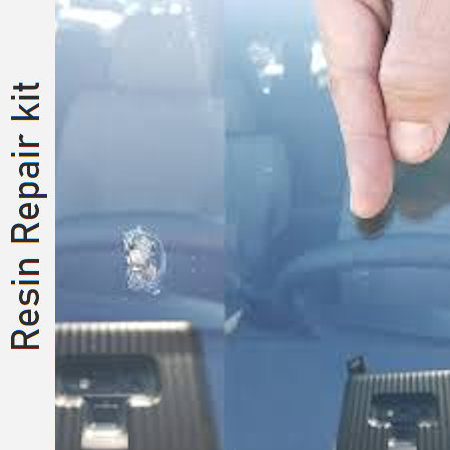
Resin Repair kits
We supply low cost Resin Repair kits to fix your chipped, cracked, scratched car window screen.
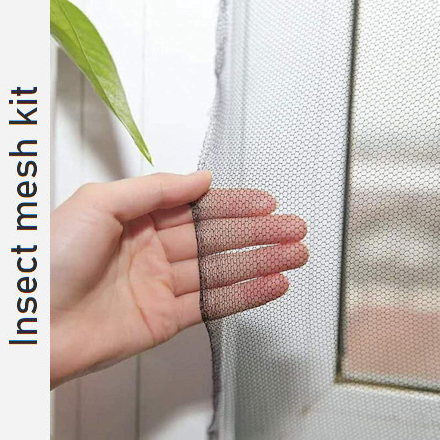
Insect Mesh kits
Our insect mesh kits keeps out files, wasps, mosquitoes and other unwanted insects and are easy to install.
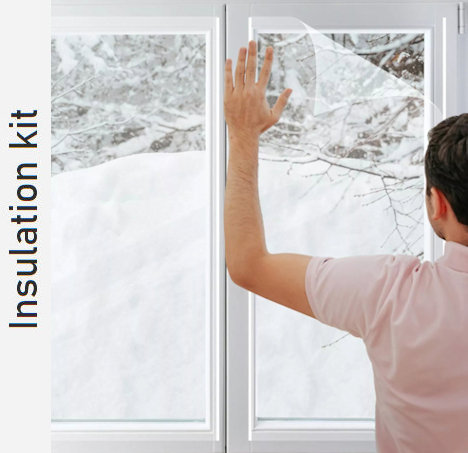
Film Insulation kits
We offer Film Insulations kits for your window not only to save on those energy bills but also keeps out drafts and reduced noise.
If you have any questions on how to use our kits please email us and we will reply usually within a few hours depending on the time & day