



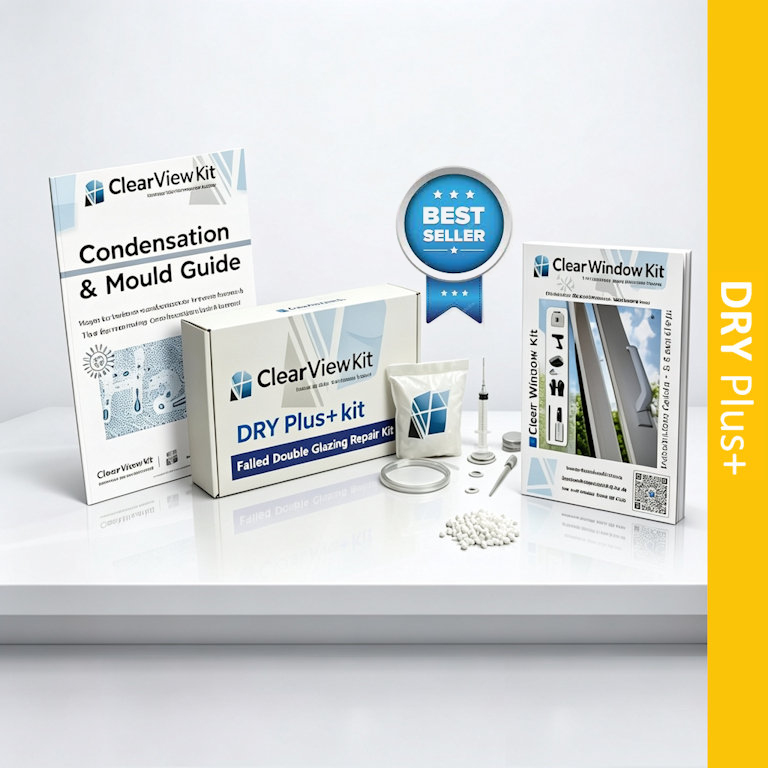
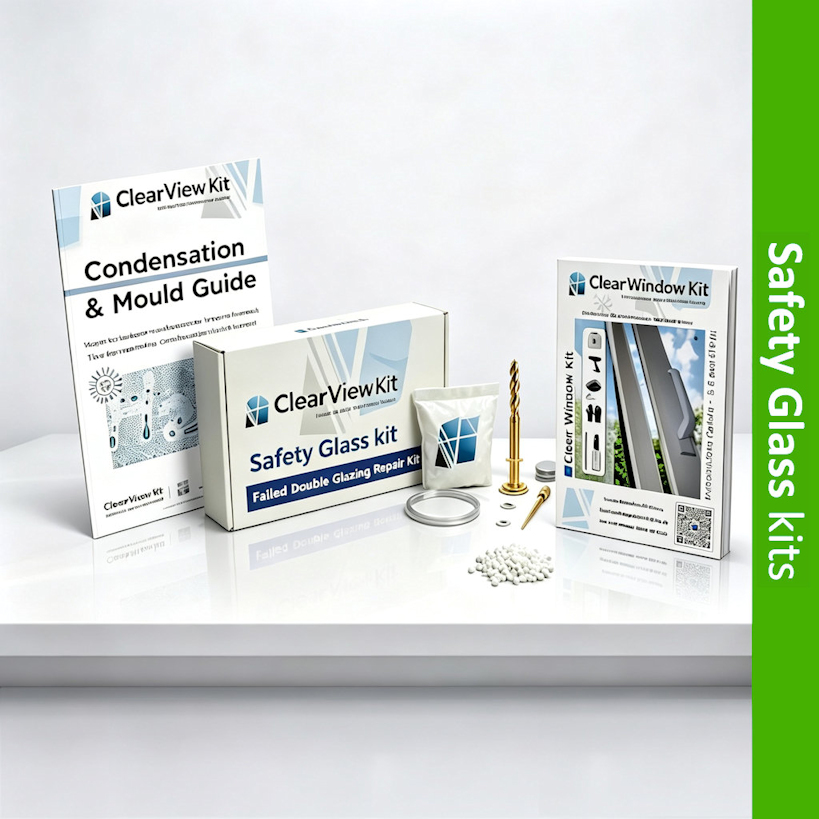
4 x DRY Plus+ kit
- Easy to follow guide
- Free Tracked 48 Delivery
- 50% extra Drying Agent
- Clears up to 4 Windows
Condensation forms when warm moisture cools on a cold surface
Condensation forms when warm, moisture‑laden air cools down on a cold surface and turns from invisible vapour into liquid water droplets.
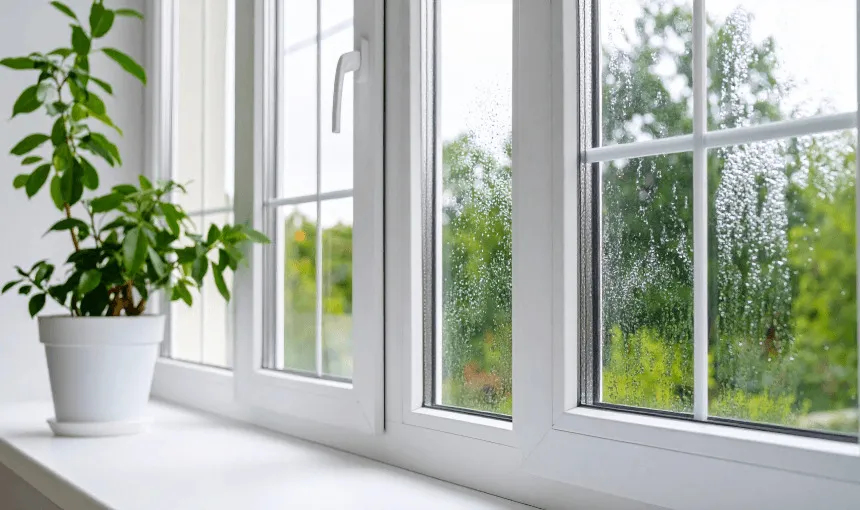
Condensation forms when warm, moisture-laden air comes into contact with a surface that is colder than the air itself. When this happens, the air cools down rapidly and can no longer hold as much moisture, so the excess water vapour turns into liquid water droplets. This is the same basic process that causes dew to form on grass in the morning or mist on a cold bottle taken out of the fridge. With double glazing, condensation can appear in three different places, and each has a different cause and meaning: Condensation on the outside of the window This happens when the external air is warm and humid, while the glass pane remains cool. High-quality double glazing is very good at keeping heat inside your home, so the outer pane stays close to the outside temperature. When warm, damp air hits this cold surface, it turns into water droplets. This is actually a sign that your windows are working extremely well—they are insulating effectively, so very little heat is escaping through the glass to warm up the outer pane. It usually clears up as the day warms up or the wind picks up, and it causes no damage or problems. Condensation on the inside of the window. This is the only type that means something is wrong with the window itself.
Condensation between the two panes of glass
This occurs when there is too much moisture inside your home, and the inner surface of the glass is cool enough to make that moisture condense. Everyday activities like cooking, showering, drying clothes indoors, breathing, and even having lots of houseplants release water vapour into the air. If your home is well-sealed and draught-proof (which saves energy), that moist air gets trapped inside. When the weather turns cold outside, the inner pane of glass becomes cooler than the air in the room. Once the warm, damp air touches that cooler glass, it turns into water. This does not mean the windows are broken—it means the humidity level in your home is too high, or there is not enough ventilation to let moist air escape. If left untreated, this can lead to mould growth or damage to window frames and sills. Condensation between the two panes of glass Double glazing units are sealed airtight, and the space between the panes is filled with dry air or an insulating gas. When the seal around the edge of the glass breaks or degrades over time, that airtight barrier fails. Moist air from outside or inside can then get trapped between the panes. Because the gap is sealed, that moisture cannot escape, and it turns into mist, fog, or water droplets that stay permanently inside the window. This happens because the seal has aged, been damaged, or failed due to weather changes, and it means the window has lost its insulating ability. It cannot be wiped away or fixed by ventilation, and usually requires the glass unit to be replaced.
During the process of after if you still have any questions we may have the answers here.

We take our customer feedback seriously this helps us to develop our products so our customers can get better results.
For anyone considering this product I would say "go for it". I have a 2m x 1.5m glazed unit with Georgian bar that was condensed up and the problem I was going to have was finding a new replacement unit with bar to match the windows next to it. With nothing to lose I bought this and after 3 weeks the window is clear. Perfect. It does work. Thank you :-)
smartmart31
Website customer

So happy with our kit we did wait a few months to use it we though we had a better chance in summer as we had a better chance of the window drying 6 months on afer we used the kit window is still clear what a great kit for the price thanks.
Dave Glessing. US
Amazon US Customer

As Described Very Fast Delivery. Very GOOD PKG. Arrived safely sealed in a strong box. All instructions included. All accessories included. Yet too make use of items so cannot comment on its effectiveness in use. Hopefully this method will help with failing Sealed Double Glazed window panes. Thank you for your Labour saving product and Great service.
Read more
Mrs Christina.gk
eBay customer

My window seal had blown and had condensation inside the window I have seen these kits online before bought one it has worked quiet well easy to do and im not that great at DIY its been clear few a month now hopefully will stay clear not a bad bit of kit for the price
Read more
Customer in Sussex
ebay customer
Good price very quick delivery. unfortunately i didn`t read the ad fully & when i received item i read instructions fully only to find my windows were 'Toughened' so unfortunately we couldnt use on my windows. Due to that i had to return for refund. But had no problem at all with seller who was very helpful in answering my query about using on my windows & refunded. All my own fault for not reading all the description. Very good seller. Thanks
Read more
Alex. Scotland
Amazon Customer
Many thanks Item arrived quickly good communication with Clearviewkit also very well packed. I did see the you tube video and thought it was worth a try. Not tried it yet but hopefully will work well.
Read more
L. Davis ,Wellingbourgh
Via Google

We received our kit we bought the 3 x window kit easy to follow instructions the moisture cleared up in a few days I would recommend this kit as a cheaper alternative to paying to have them replaced.
Susan S Palaines
Sold Via Our Website

Watch our you tube tutorial to see what to do and how the process works using one of our kits to clear the trapped moisture in your double glazing.
You tube tutorialAs well as window kits we also supply Resin repair kits for car windowscreens, Film Insulations kits and Insect mesh to keep those flies out. add a low cost kit onto your order at checkout.
Window & Door kits
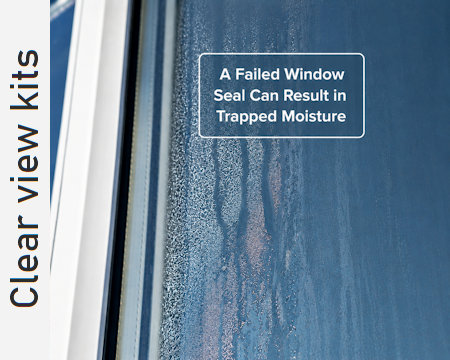
Clearview window kits to clear trapped condensation in your failed double glazing window.
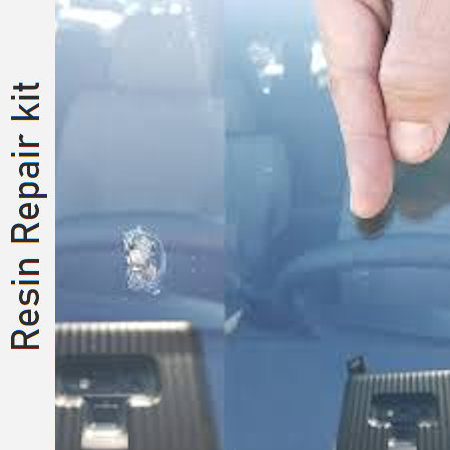
Resin Repair kits
We supply low cost Resin Repair kits to fix your chipped, cracked, scratched car window screen.
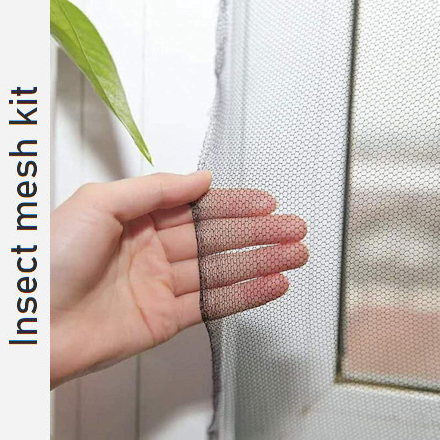
Insect Mesh kits
Our insect mesh kits keeps out files, wasps, mosquitoes and other unwanted insects and are easy to install.
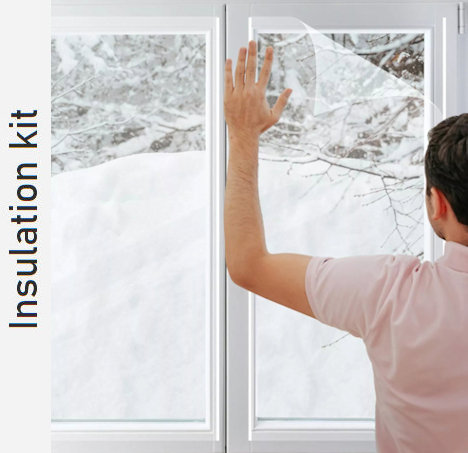
Film Insulation kits
We offer Film Insulations kits for your window not only to save on those energy bills but also keeps out drafts and reduced noise.
If you have any questions on how to use our kits please email us and we will reply usually within a few hours depending on the time & day